Buy correos.eu ?
We are moving the project
correos.eu .
Are you interested in purchasing the domain
correos.eu ?
domain@kv-gmbh.de · 0541-91531010
Buy correos.eu ?
What are the differences between embryonic stem cells, omnipotent stem cells, adult stem cells, totipotent stem cells, and multipotent stem cells?
Embryonic stem cells are derived from embryos and have the potential to develop into any type of cell in the body. Omnipotent stem cells, also known as pluripotent stem cells, are similar to embryonic stem cells in that they can differentiate into any type of cell, but they are derived from adult tissues. Adult stem cells are found in various tissues and have the ability to differentiate into a limited range of cell types. Totipotent stem cells have the highest potential for differentiation and can develop into any type of cell, as well as into extraembryonic tissues such as the placenta. Multipotent stem cells can differentiate into a limited number of cell types, typically within a specific tissue or organ. **
Who is eating our tulip bulbs?
It is likely that squirrels or rabbits are eating your tulip bulbs. These animals are known to dig up and consume bulbs, especially during the fall and winter months when food sources are scarce. To prevent further damage, you can try using physical barriers or repellents to deter these animals from accessing your garden. **


Similar search terms for Saro-Lifestyle-Tulip-Stem
Top-Angebote
Products related to Saro-Lifestyle-Tulip-Stem:
-
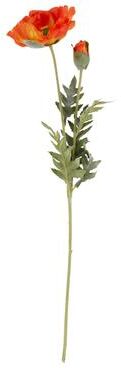
Saro Lifestyle Linen Table Runner With Watercolor Floral Stem DesignThe beautiful, delicate look of the Watercolor Floral Stem Table Runner will serve as a unique accent for your table. The linen runner can be used for special occasions, everyday meals or even as a decorative piece on its own.48,87 $*Shipping: 0,00 $Secure redirect to the provider



-
Is the tulip a seed plant?
Yes, the tulip is a seed plant. Tulips reproduce by producing seeds, which are contained within the flower's ovary. Once the seeds are mature, they can be collected and planted to grow new tulip plants. Therefore, the tulip is a seed plant that reproduces through the production of seeds. **
-
Why do tulip leaves change color?
Tulip leaves change color as part of their natural growth and development process. As the tulip plant matures, the chlorophyll in the leaves breaks down, causing the green color to fade and other pigments to become more visible. This change in color is also influenced by environmental factors such as temperature, sunlight, and soil nutrients. Additionally, certain tulip varieties may naturally exhibit different leaf colors as they grow. **
-
Are tulip leaves poisonous to cats?
Yes, tulip leaves are toxic to cats. All parts of the tulip plant, including the leaves, stem, and bulb, contain toxins called tulipalin A and B, which can cause vomiting, diarrhea, drooling, and in some cases, more severe symptoms such as difficulty breathing and increased heart rate in cats. It's important to keep tulip plants out of reach of cats and seek veterinary attention if you suspect your cat has ingested any part of the plant. **
-
How do you mix tulip directions?
To mix tulip directions in a garden or floral arrangement, you can create a dynamic and visually appealing display by combining tulips of different varieties and colors that face different directions. For example, you can plant or arrange tulips that face upwards, outwards, or downwards to add depth and interest to the overall design. Mixing tulip directions can create a more natural and organic look, mimicking how tulips grow in nature. Experimenting with different combinations of tulip directions can help create a unique and beautiful display that showcases the diversity of these stunning flowers. **


How can one recreate a Tulip Chair?
To recreate a Tulip Chair, one would need to follow these steps: 1. Obtain the necessary materials: The Tulip Chair was originally designed by Eero Saarinen in the 1950s and features a molded fiberglass or plastic seat mounted on a single stem-like pedestal base. To recreate this chair, one would need to find a similar molded seat and a metal or plastic base that mimics the shape of the original design. 2. Assemble the chair: Once the materials are obtained, the seat should be securely attached to the base using appropriate hardware. The base should be strong and stable enough to support the weight of the seat and the person sitting in it. 3. Finish the chair: The Tulip Chair typically has a smooth, glossy finish. To recreate this look, one could paint the seat and base with a high-gloss paint in a color of their choice. Alternatively, one could also choose to leave the materials in their natural state for a more minimalist look. By following these steps and paying attention to the details of the original design, one can recreate a Tulip Chair that closely resembles the iconic mid-century modern piece. **
How can one rebuild a Tulip Chair?
To rebuild a Tulip Chair, one would need to disassemble the chair by removing the seat cushion and base. Next, the old upholstery fabric should be removed and replaced with new fabric. The chair base can be cleaned and repainted if necessary. Finally, the seat cushion can be reattached to the base, and the chair can be reassembled. It is important to follow the manufacturer's instructions or seek professional help if needed. **
Top-Angebote
Products related to Saro-Lifestyle-Tulip-Stem:
-
What are the differences between embryonic stem cells, omnipotent stem cells, adult stem cells, totipotent stem cells, and multipotent stem cells?
Embryonic stem cells are derived from embryos and have the potential to develop into any type of cell in the body. Omnipotent stem cells, also known as pluripotent stem cells, are similar to embryonic stem cells in that they can differentiate into any type of cell, but they are derived from adult tissues. Adult stem cells are found in various tissues and have the ability to differentiate into a limited range of cell types. Totipotent stem cells have the highest potential for differentiation and can develop into any type of cell, as well as into extraembryonic tissues such as the placenta. Multipotent stem cells can differentiate into a limited number of cell types, typically within a specific tissue or organ. **
-
Who is eating our tulip bulbs?
It is likely that squirrels or rabbits are eating your tulip bulbs. These animals are known to dig up and consume bulbs, especially during the fall and winter months when food sources are scarce. To prevent further damage, you can try using physical barriers or repellents to deter these animals from accessing your garden. **
-
Is the tulip a seed plant?
Yes, the tulip is a seed plant. Tulips reproduce by producing seeds, which are contained within the flower's ovary. Once the seeds are mature, they can be collected and planted to grow new tulip plants. Therefore, the tulip is a seed plant that reproduces through the production of seeds. **
-
Why do tulip leaves change color?
Tulip leaves change color as part of their natural growth and development process. As the tulip plant matures, the chlorophyll in the leaves breaks down, causing the green color to fade and other pigments to become more visible. This change in color is also influenced by environmental factors such as temperature, sunlight, and soil nutrients. Additionally, certain tulip varieties may naturally exhibit different leaf colors as they grow. **
Similar search terms for Saro-Lifestyle-Tulip-Stem
-
Saro Lifestyle Linen Table Runner With Watercolor Floral Stem DesignThe beautiful, delicate look of the Watercolor Floral Stem Table Runner will serve as a unique accent for your table. The linen runner can be used for special occasions, everyday meals or even as a decorative piece on its own.48,87 $*Shipping: 0,00 $Secure redirect to the provider
-
Are tulip leaves poisonous to cats?
Yes, tulip leaves are toxic to cats. All parts of the tulip plant, including the leaves, stem, and bulb, contain toxins called tulipalin A and B, which can cause vomiting, diarrhea, drooling, and in some cases, more severe symptoms such as difficulty breathing and increased heart rate in cats. It's important to keep tulip plants out of reach of cats and seek veterinary attention if you suspect your cat has ingested any part of the plant. **
-
How do you mix tulip directions?
To mix tulip directions in a garden or floral arrangement, you can create a dynamic and visually appealing display by combining tulips of different varieties and colors that face different directions. For example, you can plant or arrange tulips that face upwards, outwards, or downwards to add depth and interest to the overall design. Mixing tulip directions can create a more natural and organic look, mimicking how tulips grow in nature. Experimenting with different combinations of tulip directions can help create a unique and beautiful display that showcases the diversity of these stunning flowers. **
-
How can one recreate a Tulip Chair?
To recreate a Tulip Chair, one would need to follow these steps: 1. Obtain the necessary materials: The Tulip Chair was originally designed by Eero Saarinen in the 1950s and features a molded fiberglass or plastic seat mounted on a single stem-like pedestal base. To recreate this chair, one would need to find a similar molded seat and a metal or plastic base that mimics the shape of the original design. 2. Assemble the chair: Once the materials are obtained, the seat should be securely attached to the base using appropriate hardware. The base should be strong and stable enough to support the weight of the seat and the person sitting in it. 3. Finish the chair: The Tulip Chair typically has a smooth, glossy finish. To recreate this look, one could paint the seat and base with a high-gloss paint in a color of their choice. Alternatively, one could also choose to leave the materials in their natural state for a more minimalist look. By following these steps and paying attention to the details of the original design, one can recreate a Tulip Chair that closely resembles the iconic mid-century modern piece. **
-
How can one rebuild a Tulip Chair?
To rebuild a Tulip Chair, one would need to disassemble the chair by removing the seat cushion and base. Next, the old upholstery fabric should be removed and replaced with new fabric. The chair base can be cleaned and repainted if necessary. Finally, the seat cushion can be reattached to the base, and the chair can be reassembled. It is important to follow the manufacturer's instructions or seek professional help if needed. **
* All prices are inclusive of VAT and, if applicable, plus shipping costs. The offer information is based on the details provided by the respective shop and is updated through automated processes. Real-time updates do not occur, so deviations can occur in individual cases. ** Note: Parts of this content were created by AI.